What Is Doppler Ultrasonography and How Does It Work?

Accurate vascular diagnosis is crucial for effective treatment. Traditional imaging methods often fail to provide real-time insights into blood flow, leading to delayed diagnoses. Doppler ultrasonography addresses this gap by offering a non-invasive and precise assessment of circulatory health, aiding in the early detection of conditions such as blood clots and arterial blockages before they escalate into life-threatening complications.
Doppler ultrasonography is an advanced imaging technique that uses high-frequency sound waves to evaluate blood flow within the body. Unlike conventional ultrasound, it detects the movement of red blood cells, allowing healthcare providers to identify abnormalities such as vessel narrowing, blockages, or clots. This technology is widely used in diagnosing vascular diseases, pregnancy complications, and cardiac conditions.
Although Doppler ultrasonography is a well-established diagnostic tool, many people remain unfamiliar with its mechanism and medical significance. In this article, we will explore its functionality, various types, accuracy, and clinical applications, illustrating why it is a preferred choice over other imaging techniques.
Why Is Doppler Ultrasonography Important for Vascular Health?
Vascular diseases such as deep vein thrombosis (DVT) and peripheral artery disease (PAD) often progress unnoticed until severe complications arise. Without an effective diagnostic tool, these conditions can lead to serious consequences, including stroke or limb amputation.
Doppler ultrasonography plays a crucial role in vascular health by providing real-time visualization of blood flow, enabling the early detection of arterial narrowing, blockages, and abnormal circulation. By identifying these issues at an early stage, it enhances treatment outcomes and prevents severe complications.
This imaging technique is fundamental in diagnosing vascular conditions such as arterial stiffness, aneurysms, and venous insufficiency. By offering a detailed assessment of blood flow dynamics, Doppler ultrasonography enables early intervention, making it a cornerstone in modern vascular diagnostics.
How Does Doppler Ultrasonography Help in Diagnosing Blood Flow Issues?

Circulatory disorders often present with symptoms such as pain, swelling, or numbness, yet their root cause remains undiagnosed for many patients. Delayed detection can lead to severe health risks, including organ damage and stroke.
Doppler ultrasonography facilitates the diagnosis of blood flow abnormalities by measuring the speed and direction of blood movement within vessels. It detects turbulence, blockages, and clots, all of which contribute to cardiovascular disease.
This technology utilizes color Doppler, power Doppler, and spectral Doppler imaging to provide a comprehensive view of circulation. It is particularly beneficial for patients with diabetes, hypertension, and other cardiovascular risk factors, ensuring precise diagnoses and effective treatment planning.
Where Can You Get a Doppler Ultrasound and What Should You Expect?
Many patients feel anxious about undergoing a Doppler ultrasound, uncertain about where to schedule the test and what the procedure entails. This uncertainty can lead to unnecessary stress and delayed diagnosis.
Doppler ultrasonography is available in hospitals, imaging centers, and specialized vascular clinics. The procedure is painless, non-invasive, and typically lasts between 30 and 60 minutes. For certain Doppler exams, fasting may be required.
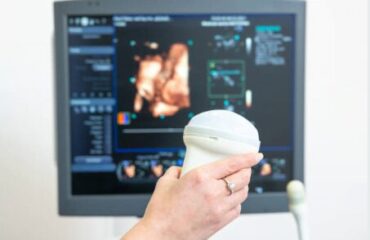
During the test, a trained technician applies a conductive gel to the skin and moves a handheld transducer over the targeted area to capture images. Patients may hear whooshing sounds, representing blood flow patterns. Results are reviewed by a radiologist or vascular specialist for accurate interpretation.
Which Conditions Can Be Diagnosed with Doppler Ultrasonography?
Many serious vascular conditions remain undetected until they reach an advanced stage, leading to critical complications. Early diagnosis is essential for effective treatment and improved patient outcomes.
Doppler ultrasonography is used to diagnose a range of vascular conditions, including deep vein thrombosis (DVT), carotid artery disease, varicose veins, and peripheral artery disease (PAD). It is also instrumental in identifying pregnancy-related circulatory complications.
Beyond these conditions, Doppler ultrasonography effectively detects aneurysms, renal artery stenosis, and venous insufficiency. By providing real-time insights into circulatory function, this diagnostic tool plays a key role in preventing strokes, heart attacks, and other vascular emergencies.
Why Choose Doppler Ultrasonography Over Other Imaging Techniques?
With multiple imaging modalities available, healthcare professionals often face challenges in selecting the most effective diagnostic method. Choosing an unsuitable test can result in unnecessary expenses and diagnostic delays.
Unlike CT angiography or MRI, Doppler ultrasonography is non-invasive, radiation-free, and does not require contrast agents, making it a safer option for patients with kidney disease or allergies.
This technique provides real-time visualization of blood flow, an advantage not offered by standard ultrasound or X-rays. Its cost-effectiveness and accessibility make it the preferred choice for diagnosing circulatory disorders in both outpatient and emergency settings.
What Are the Different Types of Doppler Ultrasonography?
Doppler ultrasonography comprises four main types, each tailored for specific diagnostic needs:
- Color Doppler: Provides a visual representation of blood flow direction.
- Power Doppler: Enhances sensitivity for detecting slow or low-velocity blood flow.
- Spectral Doppler: Offers detailed waveform analysis for assessing flow patterns.
- Continuous Wave Doppler: Used for measuring high-velocity blood flow, particularly in cardiac assessments.
How Accurate Is Doppler Ultrasonography in Detecting Blood Clots?
Doppler ultrasonography has an accuracy exceeding 90% in detecting deep vein thrombosis (DVT). It determines clot location, size, and impact on circulation, guiding physicians in choosing the most appropriate treatment strategy.
Where Is Doppler Ultrasonography Most Commonly Used in Medicine?
This imaging technique is widely utilized in cardiology, obstetrics, neurology, and vascular medicine. It is particularly valuable in assessing heart valve function, fetal circulation, carotid artery stenosis, and venous insufficiency, ensuring early detection and timely intervention.
Which Patients Benefit the Most from Doppler Ultrasonography?
Patients with diabetes, hypertension, peripheral artery disease, deep vein thrombosis, and pregnancy complications are among those who benefit most from Doppler ultrasonography. Additionally, individuals experiencing unexplained leg pain, swelling, or dizziness can receive early diagnosis and treatment through this non-invasive imaging method.

Doppler ultrasonography is an indispensable tool in modern diagnostics, providing real-time, non-invasive vascular imaging with exceptional accuracy. Its broad clinical applications, cost-effectiveness, and safety make it an essential technique for detecting and managing circulatory disorders. If you have concerns about vascular health, consult your healthcare provider about undergoing a Doppler ultrasound.