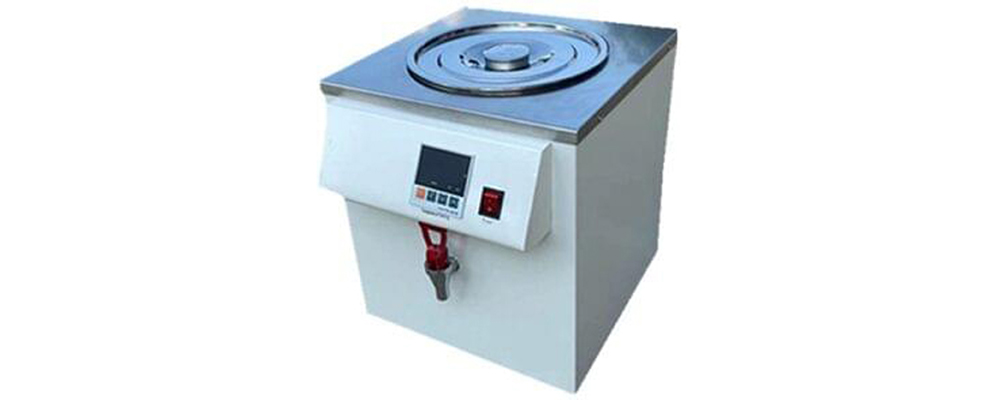
Inconsistent paraffin flow and temperature instability during tissue embedding can lead to poor sample quality and diagnostic delays. A Histopathology Paraffin Dispenser solves this by delivering consistent, controlled paraffin dispensing. Learn how this essential tool powers histopathology efficiency and precision.
A Histopathology Paraffin Dispenser is a precision instrument that melts and dispenses paraffin wax used in tissue embedding. It ensures consistent wax flow, temperature control, and optimal sample preservation—making it critical for modern pathology workflows.

If you’re setting up or upgrading a histopathology lab, understanding how a Histopathology Paraffin Dispenser works—and what features to look for—can directly impact your diagnostic quality, technician efficiency, and lab throughput. Let’s explore its functions and benefits in detail.
What Is a Histopathology Paraffin Dispenser and How Does It Work?
Manual paraffin handling is messy and imprecise.
Traditional methods for melting and pouring paraffin involve inconsistent heating and manual labor, leading to sample contamination, wasted wax, and user fatigue.
Small errors can compromise diagnosis.
Without precision, paraffin may solidify too early, or tissue blocks may contain bubbles or cracks, affecting microtomy and histological interpretation.
Automation for accuracy and consistency.
A Histopathology Paraffin Dispenser is an electrically powered device designed to melt paraffin wax at a stable temperature (usually between 60–70°C) and dispense it precisely into tissue molds. It typically includes heated nozzles, thermostatic controls, programmable timers, and anti-drip mechanisms. These features ensure uniform wax infiltration and reduce technician workload, resulting in more reliable tissue blocks and higher diagnostic accuracy.
Why Is a Reliable Paraffin Dispenser Crucial for Histopathology Labs?
Poor-quality dispensers cause workflow delays.
Inconsistent heating, leakage, or wax blockage can bring the embedding process to a halt.
Delays impact sample turnaround time.
In clinical settings, delays can postpone patient diagnoses and reduce lab credibility.
Reliable dispensers mean reliable diagnoses.
A high-quality Histopathology Paraffin Dispenser ensures optimal temperature regulation, continuous wax flow, and safety features like overheat protection. In high-volume labs, reliability is not optional—it’s fundamental to efficiency and productivity.
How Does a Paraffin Dispenser Improve Workflow Efficiency in Histopathology?
Time-consuming embedding slows lab output.
Without an efficient dispenser, technicians may spend unnecessary time on wax management.
Manual labor increases fatigue and errors.
Higher error rates reduce output consistency, especially in larger labs processing hundreds of samples daily.
Speed and consistency at your fingertips.
Advanced dispensers offer foot-pedal activation, rapid heating, and dual-heated zones to support uninterrupted workflows. Automated timers and programmable controls further optimize daily operations and reduce technician stress.
How to Choose the Right Histopathology Paraffin Dispenser for Your Lab?
Many models, unclear specs.
Not all paraffin dispensers are created equal. Selecting the wrong one can disrupt lab flow.
Buying the wrong unit wastes budget and time.
Incorrect tank size, lack of certification, or poor heating stability can lead to poor performance.
Match features with lab needs.
When evaluating options, consider wax tank capacity (commonly 3–8 liters), dual heating zones, digital temperature control, ergonomic dispensing (manual or foot-pedal), CE or ISO certifications, and after-sales support. AMIS Medical, for example, offers dispensers with customizable features and verified safety compliance.
Which Features Make a Paraffin Dispenser Ideal for Histopathology Applications?
Missing critical features lowers usability.
Some low-end dispensers lack anti-drip technology or stable thermal zones.
Low usability increases maintenance.
Technicians waste time cleaning wax spills or waiting for reheat cycles.
Look for essential performance features.
Ideal dispensers offer:
Dual or triple heating zones
Non-drip dispensing nozzles
Adjustable flow rate
Digital temperature display
Auto-shutoff safety features
Ergonomic design and customizable branding (OEM) also make a difference in long-term use.

What Is a Histopathology Paraffin Dispenser and How Does It Work?
What Are the Common Problems with Histopathology Paraffin Dispensers and How to Avoid Them?
Even quality machines can fail without maintenance.
Clogged nozzles, power surges, and overfilled tanks are common operational issues.
Downtime disrupts productivity.
Technicians must troubleshoot instead of embedding, creating backlogs.
Preventive care ensures longevity.
Implement weekly cleaning protocols, use only lab-grade paraffin wax, and monitor temperature stability. Choose vendors offering clear manuals, tech support, and warranty.
Why Should You Upgrade Your Histopathology Paraffin Dispenser in 2025?
Older models can’t match current demand.
Outdated dispensers lack automation and energy efficiency.
Obsolete devices increase costs over time.
Increased power consumption, longer heating times, and manual operation reduce productivity.
Newer models bring smarter workflow.
2025-ready dispensers feature energy-saving modes, faster heat-up times, safer components, and compatibility with smart lab systems. For example, AMIS offers newly upgraded dispensers supporting OEM and remote diagnostics.
Where Can You Buy a Certified Histopathology Paraffin Dispenser Online?
Scams and uncertified products online.
Fake certifications or low-quality imports can damage your lab’s compliance status.
Regulatory risk and reputation loss.
Using unverified equipment can lead to failed inspections or clinical errors.
Use verified sourcing platforms.
Certified Histopathology Paraffin Dispensers can be sourced through B2B platforms like Alibaba, Made-in-China, or direct from trusted suppliers like AMIS Medical. Ensure the product has CE, ISO 13485, or FDA registration where applicable.
Where Is the Best Place to Source OEM Histopathology Paraffin Dispensers from China?
OEM services vary greatly by supplier.
Some lack engineering customization or multilingual support.
Poor communication slows product development.
OEM buyers need quick adaptation, private labeling, and compliance support.
Choose integrators with full OEM capability.
Companies like AMIS in China offer full-spectrum OEM support—custom molds, logo printing, packaging, and multilingual documentation. Their supply chain includes factories with ISO and CE certifications.
What Certifications Should a Histopathology Paraffin Dispenser Have Before Exporting?
Missing documents cause customs clearance issues.
Without proper certification, equipment may be rejected at borders or barred from clinical use.
Regulatory non-compliance causes legal risk.
You could face penalties or lose customer trust.
Verify global compliance before purchase.
Certified dispensers should carry CE (EU), ISO 13485 (QMS), RoHS (safety), and optionally FDA (US). Ensure certificates are verifiable with serial numbers and cross-check with regulatory databases.
How Is a Paraffin Dispenser Different from a Full Tissue Embedding System?
Users often confuse the two.
Some labs purchase dispensers thinking they perform all embedding tasks.
Workflow gaps arise due to equipment mismatch.
Without a full embedding center, labs may miss crucial functionality like mold warming or cassette heating.
Understand their roles.
A Histopathology Paraffin Dispenser only controls wax melting and dispensing. A Tissue Embedding System integrates additional modules like cold plates, heated forceps, and full orientation platforms—ideal for high-volume labs needing one-stop embedding stations.
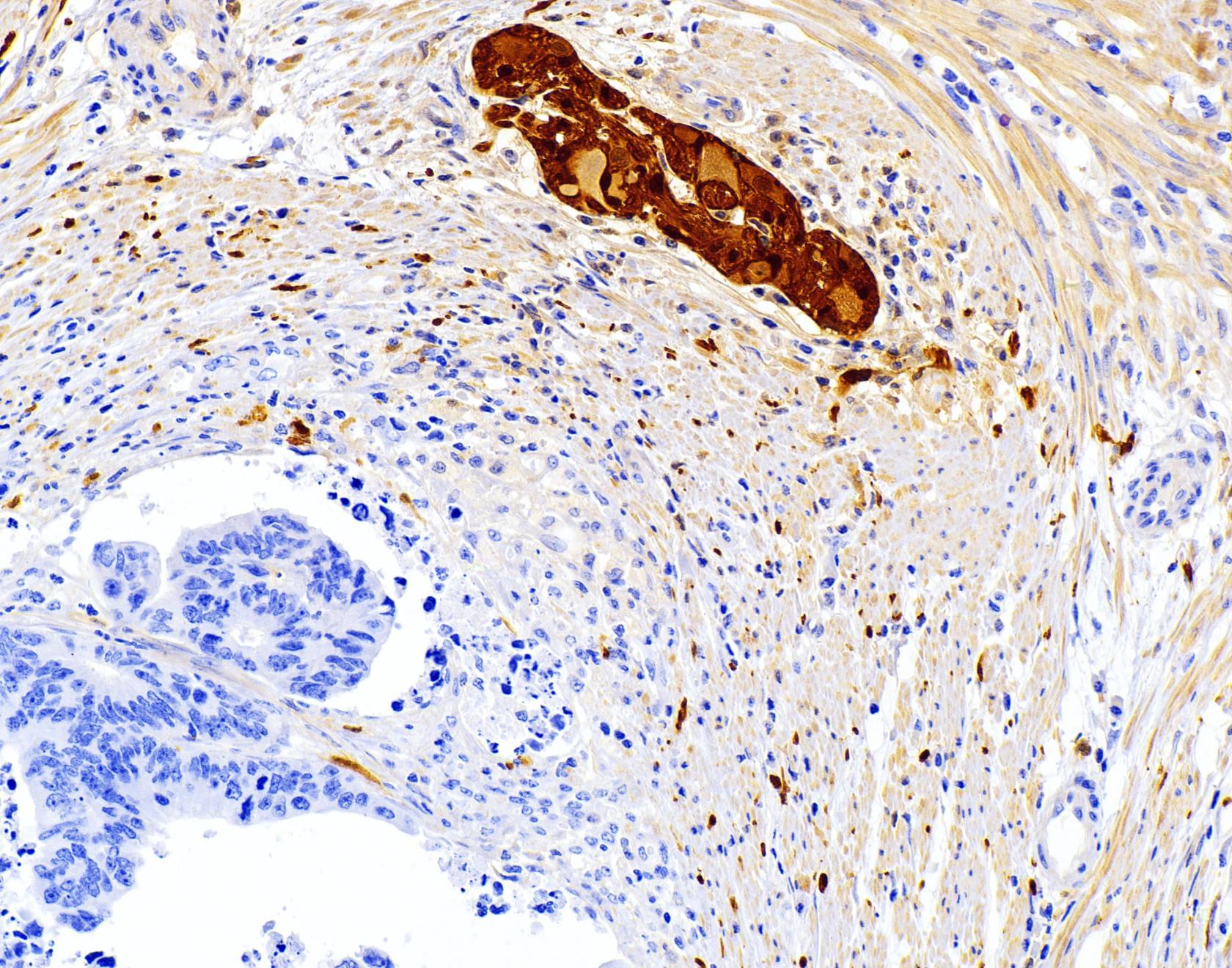
A Histopathology Paraffin Dispenser is a foundational tool in tissue processing, ensuring precise wax dispensing for reliable sample embedding. With the right features and certifications, it boosts lab efficiency, supports regulatory compliance, and improves diagnostic outcomes.