5 Reasons Why Blood Chemistry Analyzers Are Critical for Modern Healthcare
In modern healthcare, time is everything. Accurate and quick diagnostics are key to effective treatment. One of the most essential tools in this process is the blood chemistry analyzer. But why is it such a vital piece of equipment for hospitals and clinics worldwide?
A blood chemistry analyzer is crucial because it provides fast, accurate results that help diagnose diseases, monitor organ function, and guide treatment plans. Without it, medical professionals would be left in the dark about critical patient health indicators.
As someone involved in the manufacturing of hospital equipment, I’ve seen firsthand how these machines streamline diagnostics and improve patient care. Let’s explore why they’re so essential.
What Is a Blood Chemistry Analyzer?
A blood chemistry analyzer is a device that measures various chemical components in the blood. It’s used to evaluate electrolytes, enzymes, and proteins, among other substances. These analyzers provide critical data for diagnosing a wide range of conditions, from liver function and diabetes to electrolyte imbalances and heart disease.
At AMIS, we manufacture equipment like this with a focus on accuracy and durability. Our machines are built to handle high workloads in busy hospital environments, ensuring reliability and precision.

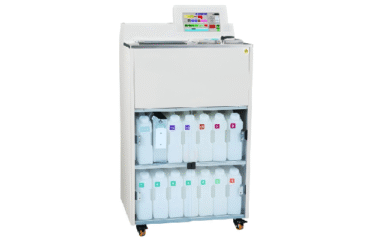
Blood Chemistry Analyzer
1. Why Is Speed Essential in Diagnostics?
When a patient’s health is at risk, time is of the essence. A blood chemistry analyzer delivers quick results, which allows healthcare professionals to make informed decisions in real time. This speed can be the difference between life and death in critical situations.
Fast diagnostics also improve hospital efficiency. The sooner doctors get results, the faster they can move forward with treatment, reducing wait times and improving overall patient satisfaction.
2. How Does a Blood Chemistry Analyzer Improve Accuracy?
Accuracy in diagnostics is non-negotiable. A blood chemistry analyzer ensures that healthcare providers get precise results by using advanced technology to measure different chemical components in the blood. This reduces human error and offers consistent, repeatable results.
For procurement officers like Mark Shenng, purchasing high-quality, certified blood chemistry analyzers ensures that their hospitals maintain the highest standards of care. At AMIS, we focus on manufacturing analyzers that meet these exacting standards.
3. What Tests Can a Blood Chemistry Analyzer Perform?
Blood chemistry analyzers can perform a wide variety of tests, including:
- Electrolyte Analysis: Helps monitor levels of sodium, potassium, and chloride.
- Liver Function Tests: Measures enzymes and bilirubin to assess liver health. Learn more about liver function tests and their significance.
- Kidney Function Tests: Evaluates levels of urea and creatinine to check for kidney damage.
- Cardiac Enzyme Tests: Assists in diagnosing heart attacks by detecting specific proteins released by the heart. Read further on cardiac enzymes and their importance in diagnostics.
These tests provide vital information that doctors need to diagnose and treat patients effectively.

4. How Does Automation Benefit Hospitals?
One of the significant advantages of modern blood chemistry analyzers is their automation capabilities. Automation minimizes the need for manual input, which reduces errors, speeds up the process, and allows healthcare staff to focus on more critical tasks.
For hospitals and clinics handling large volumes of patients, an automated blood chemistry analyzer increases productivity without compromising accuracy. This level of efficiency is crucial for keeping up with the demands of a busy medical environment.
5. What Should You Look for in a Blood Chemistry Analyzer?
When selecting a blood chemistry analyzer, there are a few key factors to consider:
- Accuracy: Ensure the machine provides consistent, precise results.
- Speed: Look for a device that delivers fast results without compromising on quality.
- Ease of Use: The machine should have an intuitive interface for minimal training.
- Maintenance and Durability: Choose a machine that’s easy to maintain and built to last in high-demand settings.
At AMIS, we ensure that all of our analyzers meet these criteria, so our clients receive reliable, high-performance equipment.

What Role Does Certification Play in the Medical Equipment Industry?
Certification is critical when it comes to medical devices. Certified equipment guarantees that a blood chemistry analyzer has been tested rigorously and meets international safety standards. For example, CE and FDA certifications are recognized as markers of quality and reliability.
As a supplier, we at AMIS make sure that all our products undergo strict certification processes. This assures procurement officers like Mark Shenng that they are purchasing equipment that meets global standards and is safe for patient use.
How Can Hospitals Maximize the Use of Blood Chemistry Analyzers?
Hospitals can maximize the effectiveness of blood chemistry analyzers by integrating them into their overall diagnostic workflows. Regular maintenance, staff training, and updating software are all essential to keep the machines running smoothly.
In addition, combining blood chemistry results with other diagnostic data (like imaging or patient history) can lead to more accurate diagnoses and more personalized treatment plans for patients.
Conclusion
A blood chemistry analyzer is an indispensable tool in modern healthcare, providing fast, accurate, and reliable data that medical professionals rely on to make critical decisions. From diagnosing heart conditions to monitoring liver function, this equipment plays a pivotal role in improving patient outcomes.
If you’re looking to upgrade your hospital’s diagnostic capabilities, AMIS offers high-quality, certified blood chemistry analyzers at competitive prices. Contact us today to learn how we can support your medical facility’s needs.