


The Importance of Reliable Diagnostic Equipment for Hospitals and Clinics
Accurate Diagnostics: The Foundation of Healthcare Success
We recognize that hospitals and clinics rely heavily on accurate diagnostics to make informed treatment decisions. Poor-quality diagnostic results not only risk misdiagnosis but also delay appropriate care, leading to worsening conditions and financial strain on both patients and healthcare providers. Accurate diagnostics are critical in personalized medicine, allowing targeted treatments that minimize adverse effects and reduce unnecessary interventions (Mayo Clinic | Sprint Diagnostics). Furthermore, early detection through diagnostics improves the long-term prognosis of chronic conditions like cancer and diabetes by enabling timely medical intervention (WHO).

The Role of Diagnostic Equipment in Healthcare Systems
Diagnostic tools are fundamental to medical infrastructure, providing insight into disease stages, patient monitoring, and screening for potential health risks. Recent advances have expanded diagnostic capabilities with AI-assisted imaging, point-of-care testing, and remote monitoring tools, making healthcare more accessible. For example, portable ultrasound devices now allow emergency responders and rural clinics to perform on-site assessments, reducing time to treatment (JAMA). Moreover, diagnostics contribute directly to the containment of infectious diseases by identifying carriers early, as seen during outbreaks like COVID-19 (WHO).
Diagnostic Instruments Commonly Found in Hospitals
Hospitals utilize a variety of diagnostic tools to meet specialized medical needs:
- Ultrasound machines offer real-time imaging for prenatal care, organ screening, and vascular assessments.
- X-ray and CT scanners quickly identify fractures, tumors, and internal bleeding, essential for emergency rooms.
- ECG monitors track cardiac activity, ensuring swift detection of heart conditions.
- Blood analyzers provide critical lab data for diagnosing infections, electrolyte imbalances, and organ function (Sprint Diagnostics).
These instruments ensure timely, accurate assessments that directly influence treatment strategies, improving both survival rates and patient satisfaction (WHO).
Examples of Diagnostic Tools Used in Healthcare Settings
The diversity of diagnostic devices extends across high-tech and everyday applications:
- MRI scanners offer detailed imaging of soft tissues, often used in neurological assessments.
- Portable ultrasound machines provide flexibility in emergencies and rural healthcare settings.
- Blood glucose monitors are essential in diabetes management, empowering patients with self-care tools.
- Stethoscopes and thermometers remain invaluable for routine health evaluations, underscoring the importance of basic diagnostics in everyday care (Mayo Clinic).
Frequently Used Medical Equipment in Healthcare
Certain tools are universally deployed because of their reliability and efficiency. Ultrasound devices are particularly valued in obstetrics and cardiology, while blood pressure monitors are crucial for cardiovascular screenings in outpatient clinics. Regular use of stethoscopes reflects their enduring value in routine medical practice, symbolizing the close relationship between diagnostics and frontline care (Sprint Diagnostics | WHO).
Dual-Purpose Diagnostic and Therapeutic Equipment
Some diagnostic tools also play a therapeutic role, streamlining patient care. For instance, CT scanners assist both in diagnosing cancers and planning radiation therapy. Similarly, infusion pumps administer medications while tracking vital signs, reducing patient risk by integrating diagnostics and treatment into a single workflow (JAMA). Advances in such dual-purpose devices demonstrate how healthcare technologies continue to evolve, making medical interventions more effective and less invasive.
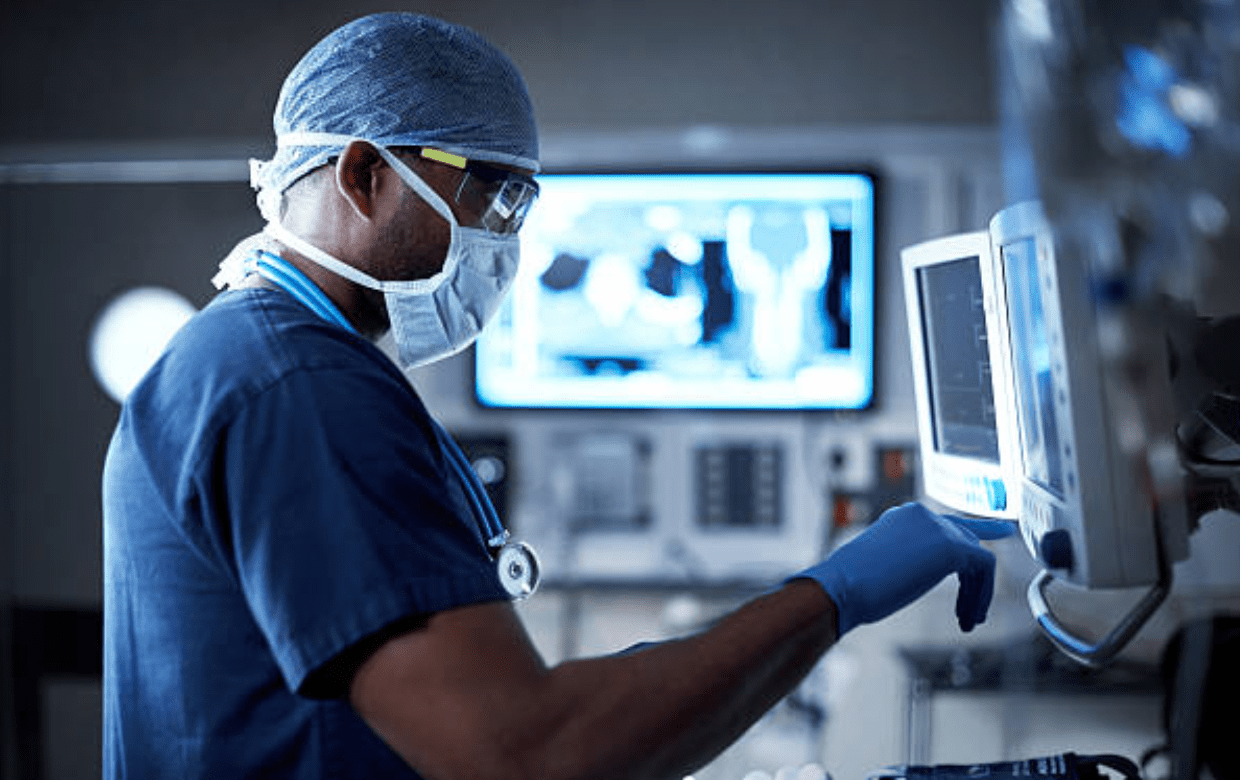
Specialized Diagnostic Instruments for Specific Hospital Departments
Each department in a hospital relies on specific diagnostic equipment tailored to its function:
- Radiology units require MRI and CT scanners to diagnose internal injuries and diseases.
- Emergency rooms depend on portable ECGs and blood analyzers for rapid triage.
- Clinical laboratories handle detailed bloodwork and molecular diagnostics to support decision-making across all departments (WHO).
Ensuring that each department is equipped with specialized tools enhances overall healthcare delivery, enabling precise diagnoses and efficient patient management.
Conclusion
Reliable diagnostic equipment is essential for achieving high standards of patient care. From imaging technologies to point-of-care tests, these tools form the backbone of medical decision-making, driving better outcomes and operational success. Investments in advanced diagnostic technologies not only benefit individual patients but also contribute to public health by controlling disease outbreaks and improving healthcare accessibility (Mayo Clinic | WHO).


