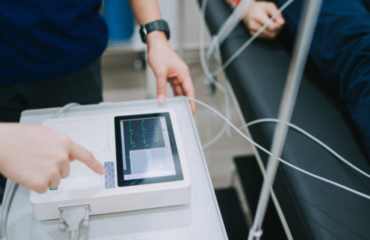
Digital Pathological Slide Scanner: The Future of Medical Diagnostics?
Are you struggling to keep up with the demands of modern pathological diagnostics? The rapid advancements in medical technology have created a pressing need for efficient, accurate, and high-throughput solutions in pathology labs. Enter the digital pathological slide scanner – a revolutionary tool transforming the way we diagnose diseases.
A digital pathological slide scanner digitizes traditional glass slides into high-resolution digital images, allowing pathologists to analyze samples more efficiently and accurately. This technology is paving the way for improved diagnostic capabilities and streamlined workflows in pathology labs.
The integration of digital slide scanners in pathology is a game-changer. It reduces the turnaround time for diagnoses, enhances collaborative efforts among pathologists worldwide, and ensures better storage and retrieval of slides. But what exactly makes this technology so indispensable?

What is a Digital Pathological Slide Scanner?
A digital pathological slide scanner is a sophisticated piece of equipment designed to convert traditional glass slides into digital format. It captures high-resolution images of tissue samples, which can then be analyzed using specialized software. This not only facilitates remote consultations but also improves the accuracy and efficiency of diagnoses.
- How does a digital slide scanner work? The scanner uses advanced imaging technology to capture high-resolution images of slides. These images are then stored digitally, allowing for easy access and analysis.
- What are the benefits of using a digital slide scanner? The benefits include faster diagnosis, improved accuracy, and the ability to easily share and collaborate on cases with pathologists worldwide.
How Does a Digital Slide Scanner Work?
Digital slide scanners operate by using high-resolution cameras to capture images of tissue samples mounted on glass slides. These images are then digitized and stored in a secure digital format. The process involves several steps, including:
- Slide Preparation: The tissue sample is prepared and mounted on a glass slide.
- Scanning: The slide is placed in the scanner, which captures high-resolution images of the sample.
- Digitization: The captured images are converted into digital format and stored in a database.
- Analysis: Pathologists can access and analyze the digital images using specialized software.
What Are the Key Features of Digital Slide Scanners?
Digital slide scanners come with a range of features designed to enhance their functionality and usability. Some of the key features include:
- High-Resolution Imaging: Capable of capturing images at resolutions up to 100x magnification.
- Automated Scanning: Allows for batch scanning of multiple slides, reducing manual effort.
- Data Management: Integration with laboratory information systems (LIS) for seamless data storage and retrieval.
- Remote Access: Enables remote viewing and analysis of slides, facilitating telepathology.
Why Should Pathology Labs Adopt Digital Slide Scanners?
Adopting digital slide scanners offers numerous advantages for pathology labs. These include:
- Enhanced Efficiency: Reduces the time required for slide preparation and analysis, leading to faster diagnosis.
- Improved Accuracy: High-resolution imaging and advanced analysis software minimize the risk of diagnostic errors.
- Better Collaboration: Digital slides can be easily shared with experts worldwide, fostering collaborative efforts and second opinions.
- Secure Storage: Digital slides are stored in secure databases, ensuring long-term preservation and easy retrieval.

How Do Digital Slide Scanners Impact Patient Care?
The impact of digital slide scanners on patient care is profound. By enabling faster and more accurate diagnoses, these scanners help ensure that patients receive timely and appropriate treatment. Moreover, the ability to share digital slides with specialists worldwide means that patients can benefit from expert opinions regardless of geographical constraints.
What Are the Challenges of Implementing Digital Slide Scanners?
While the benefits of digital slide scanners are clear, there are also challenges to consider. These include:
- Cost: The initial investment in digital slide scanners and associated software can be significant.
- Training: Pathologists and lab technicians need training to effectively use the new technology.
- Integration: Integrating digital slide scanners with existing laboratory information systems can be complex.
How Can Pathology Labs Overcome These Challenges?
To overcome the challenges associated with implementing digital slide scanners, pathology labs can:
- Seek Funding: Explore funding options and grants to offset the initial investment costs.
- Provide Training: Invest in comprehensive training programs for staff to ensure they are proficient in using the new technology.
- Plan Integration: Work with IT specialists to ensure seamless integration of digital slide scanners with existing systems.
Conclusion
The adoption of digital pathological slide scanners represents a significant advancement in the field of pathology. By enhancing efficiency, accuracy, and collaboration, these scanners are revolutionizing the way diagnoses are made and improving patient care. While there are challenges to implementation, the benefits far outweigh the drawbacks, making digital slide scanners an essential tool for modern pathology labs.
By embracing this technology, we can stay at the forefront of medical diagnostics, ensuring that we provide the best possible care for our patients.