Why Hospital Furniture Matters for Patient Care and Comfort?

Hospital furniture plays a critical role in patient care and comfort. Learn how choosing the right hospital products can improve both the patient experience and the healthcare environment.
When it comes to healthcare, the environment in which patients receive care is just as important as the medical treatment they receive. Hospital furniture, often overlooked, plays a significant role in patient comfort, recovery, and overall experience. Without the right furniture, hospitals may unknowingly hinder patient care. In this article, we’ll explore why hospital products is essential for improving patient care and comfort.
Hospital furniture is more than just functional—it directly impacts patient well-being. The right furniture ensures patient comfort, supports efficient medical operations, and contributes to recovery. This article explores the importance of hospital products and how to choose the best options for your facility.
You might wonder why hospital furniture has such an impact on patient care. Well, the role of comfort and functionality in a healthcare setting cannot be overstated. Let’s dive deeper into why hospital products matters so much for both patients and medical professionals.
What Is Hospital Furniture and Why Is It Important?
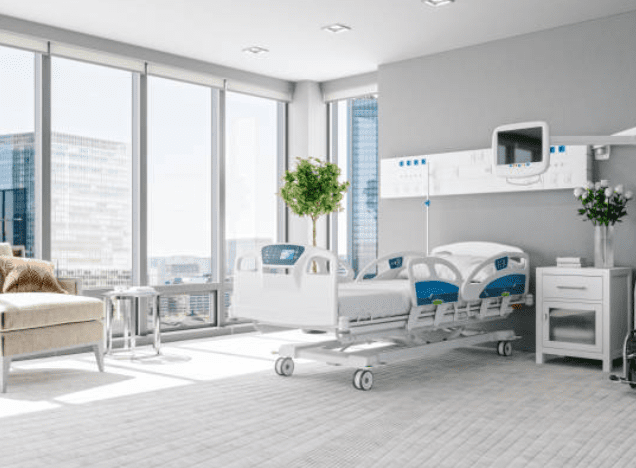
Hospital furniture includes everything from patient beds to medical carts. While these pieces may seem simple, they have a profound impact on the overall healthcare environment. Understanding what makes hospital products essential can guide your choices and help ensure patient satisfaction and safety.
Hospital furniture comprises various types, including beds, chairs, and medical carts. These items are critical for patient comfort, safety, and operational efficiency. Choosing the right furniture is essential for creating a supportive healthcare environment.
Hospital furniture isn’t just about functionality—it’s also about enhancing patient comfort and streamlining medical operations. From the design of the beds to the positioning of chairs, every piece of furniture is an integral part of the healthcare experience. For patients, comfort means faster recovery and reduced stress levels. Medical staff also benefit, as ergonomically designed furniture helps them perform tasks more efficiently.
Why Does Hospital Furniture Impact Patient Comfort and Recovery?
Comfort is not just a luxury in hospitals—it can directly impact the recovery process. Patients who are comfortable in their hospital beds and seating are more likely to feel at ease, which can speed up recovery times. Proper hospital products can make a significant difference in patient satisfaction.
Hospital furniture affects patient recovery by ensuring physical comfort and emotional well-being. Beds and chairs designed for comfort can reduce pressure sores, promote better sleep, and improve mood—all contributing to quicker recovery.
Hospital beds designed to support various body positions can help prevent complications like pressure ulcers. Proper alignment of the spine and comfortable seating can reduce pain, making it easier for patients to rest and recover. Additionally, patient comfort in hospital products can have a psychological benefit, improving their overall experience and reducing anxiety.
How to Choose the Best Hospital Furniture for Your Facility?

Choosing the right hospital furniture is a critical decision. The best furniture should meet both practical needs and comfort standards. It must be durable, functional, and adaptable to various patient needs, while also fitting into the hospital’s budget.
Selecting the right hospital furniture requires considering patient comfort, durability, and hospital needs. The furniture should be easy to clean, supportive, and ergonomic to ensure both patients and healthcare staff can work effectively.
When considering hospital furniture, make sure it meets safety regulations and comfort standards. The furniture should be easy to clean to avoid cross-contamination, especially in high-risk areas like ICU or emergency rooms. Additionally, look for ergonomic designs that reduce strain on medical professionals. The furniture should also be adjustable to accommodate patients of different sizes and medical needs.
Where to Buy High-Quality Hospital Furniture at Affordable Prices?
Hospitals often face budget constraints, making cost-effective purchasing crucial. However, finding affordable yet high-quality hospital furniture can be challenging. The key is to find reputable suppliers who offer competitive pricing without compromising on quality.
Finding reliable suppliers for hospital products involves balancing cost and quality. Look for manufacturers with good reputations and certifications to ensure you get high-quality products at competitive prices.
The best place to buy hospital products is through trusted B2B suppliers that specialize in healthcare equipment. These suppliers often offer bulk purchasing discounts, custom options, and high-quality products backed by certifications. Online marketplaces like Alibaba and local distributors can also provide access to a wide range of options at affordable prices. However, always ensure the supplier meets the necessary health and safety certifications for medical equipment.
Which Hospital Furniture Trends Are Shaping Modern Healthcare?
Hospital furniture design is evolving, incorporating trends that enhance patient care and medical staff efficiency. From smart beds to ergonomic chairs, modern healthcare facilities are focusing on innovation to create environments that promote recovery and comfort.
Emerging trends in hospital furniture include the use of smart technology, sustainability in materials, and ergonomic designs aimed at enhancing both patient and staff comfort. These trends are revolutionizing healthcare environments.
Smart hospital furniture, such as beds equipped with sensors to monitor vital signs or adjust to the patient’s needs, is becoming increasingly popular. Additionally, eco-friendly furniture that uses sustainable materials is gaining traction as hospitals seek to reduce their environmental footprint. Ergonomically designed chairs and beds not only enhance patient comfort but also reduce the physical strain on healthcare workers, contributing to a more efficient workflow.
Why Ergonomic Hospital Furniture Is Essential for Medical Staff?

The physical well-being of medical staff is just as important as patient comfort. Ergonomic hospital products designed to minimize strain and enhance posture can significantly improve the working conditions of healthcare professionals.
Ergonomically designed hospital furniture helps medical staff maintain proper posture, reducing the risk of physical strain and improving productivity. It’s essential for maintaining a comfortable, efficient working environment.
Nurses, doctors, and other medical staff spend long hours attending to patients, which can lead to physical discomfort. Ergonomic furniture such as adjustable desks, chairs, and standing stations helps reduce musculoskeletal strain, improving long-term health for healthcare workers. This, in turn, enhances the quality of care they provide to patients.
How to Maintain and Clean Hospital Furniture Effectively?
Proper maintenance and cleaning of hospital furniture are crucial for ensuring hygiene and longevity. In a hospital setting, where cleanliness is paramount, knowing how to maintain and clean furniture effectively can prevent the spread of infection.
Maintaining and cleaning hospital products properly is essential for hygiene. Use hospital-grade cleaning supplies to disinfect furniture and ensure longevity. Follow manufacturer guidelines to preserve the furniture’s integrity.
Cleaning hospital products should be part of a routine schedule. Use hospital-grade disinfectants that kill bacteria and viruses without damaging the furniture. Regular inspections and upkeep ensure that the furniture remains functional and safe for patients and medical staff.

Hospital furniture plays an undeniable role in the healthcare environment. Not only does it contribute to patient comfort and recovery, but it also impacts the efficiency and well-being of medical professionals. By investing in high-quality, ergonomic, and innovative hospital products, healthcare facilities can improve their service and create a better environment for both patients and staff.