Choosing the right operating table isn’t just a matter of comfort or aesthetics—it directly impacts the outcome of surgeries. A poorly chosen table can cause delays, increase risks, and even jeopardize patient safety. Why is choosing the right operating table crucial for surgical success? This article explains why the right operating table can make all the difference in a surgical environment, and how it enhances both the surgeon’s efficiency and the patient’s safety.
A carefully selected operating table boosts surgical success by improving efficiency, safety, and precision. The right table contributes to both the comfort of patients and the effectiveness of the medical team. Find out why it’s so crucial.
Now that we understand the importance of selecting the right operating table, let’s dive deeper into what makes one table stand out over another. We’ll explore essential features and considerations that should guide your purchasing decision for surgical success.
Why is Choosing the Right Operating Table Crucial for Surgical Success?
Operating tables are not a “one-size-fits-all” piece of equipment. Their role in surgeries cannot be overstated—they directly influence both patient comfort and surgical outcomes. Why is choosing the right operating table crucial for surgical success? From patient positioning to surgical precision, the operating table is the foundation of many critical factors.
A well-chosen operating table ensures proper patient positioning, reduces the risk of complications, and allows for better surgical precision. It directly influences the success of procedures, from preparation to post-surgery recovery.
The operating table plays a pivotal role in the efficiency and safety of any surgical procedure. It provides a stable platform for both the patient and the surgical team, allowing the team to perform delicate procedures with precision and confidence. A table that is not well-suited to the procedure can lead to poor positioning, increased strain on the surgical team, and a higher likelihood of complications.
Proper positioning of the patient is critical to surgical success. Incorrect positioning can not only make the surgery more difficult but can also lead to long-term complications for the patient. For example, if a patient is improperly positioned on the operating table, it may lead to unnecessary pressure on sensitive areas, causing discomfort, or even damaging tissues, muscles, and nerves. Advanced operating tables come equipped with features like adjustable height, tilt, and tilt-lock systems, allowing the surgical team to fine-tune the patient’s position for maximum accuracy and comfort.
What Features Should You Look for in an Advanced Operating Table?

Not all operation tables are created equal. With advancements in technology, operation tables now offer a range of features that can significantly improve surgical outcomes. What features should you look for in an advanced operating table? Let’s explore the essential qualities that make an operation table ideal for modern surgeries.
When choosing an advanced operation table, look for adjustability, stability, and specialized features like weight capacity, tilt options, and ergonomic design. These features are vital for both surgeon efficiency and patient safety.
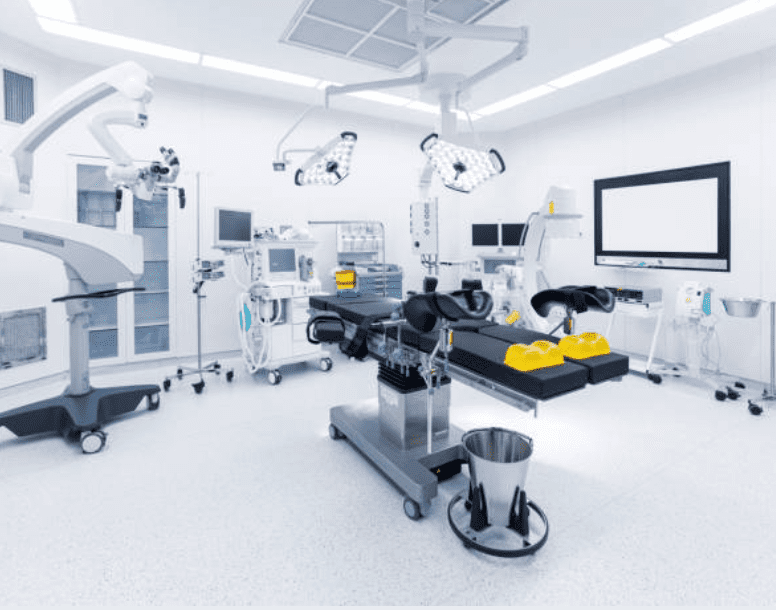
In an advanced operation table, versatility is paramount. Surgeons need to have the ability to adjust the table to various positions, from supine to prone, to accommodate different types of surgeries. Hydraulic or electric operation tables are typically more versatile, allowing for easy adjustments at the push of a button. Additionally, some modern tables include motorized features for tilt, height adjustments, and even lateral rotation, ensuring the surgeon can work from the most comfortable and effective position.
Stability is also a key factor. Tables made from high-quality materials and designed with a sturdy base ensure the patient remains securely positioned throughout the procedure, minimizing the risk of accidents during surgery.
How Does an Operating Table Impact the Efficiency of Surgical Procedures?
The efficiency of a surgical procedure is not just determined by the skill of the surgeon—it is also influenced by the equipment they use. How does an operating table impact the efficiency of surgical procedures? Let’s examine how a well-designed table can enhance surgical workflow and minimize delays.
A high-quality operation table improves surgical efficiency by providing flexibility, stability, and easy access for the surgical team. This allows the surgeon to focus on the procedure, without being distracted by equipment limitations.
A good operation table improves surgical efficiency by allowing quick adjustments that enable the surgeon to maintain the optimal working position. In an environment where every second counts, time spent adjusting an inadequate table is time lost. With a versatile operating table, surgeons can minimize delays caused by repositioning patients, ensuring faster and smoother operations.
Additionally, modern operation tables are designed with easy access for surgical instruments, allowing the medical team to reach everything they need without unnecessary movement. This contributes to a more organized and streamlined procedure, reducing stress and enhancing focus.
Where Can You Find the Best Deals on High-Quality Operating Tables?
Finding the best deal on a high-quality operation table can be a challenge, but it’s essential for hospitals and clinics to make a sound investment. Where can you find the best deals on high-quality operating tables? Let’s explore the best sources for purchasing reliable and cost-effective tables.
The best deals on high-quality operation tables can be found through reliable B2B suppliers, online marketplaces, and trusted medical equipment distributors. Don’t sacrifice quality for price.
When searching for high-quality operation tables, it’s important to look for reputable suppliers who specialize in medical equipment. Online B2B platforms such as Alibaba, China’s Made-in-China, and other trusted medical marketplaces offer competitive pricing and a variety of options to suit different surgical needs. Additionally, attending medical equipment exhibitions can provide opportunities to meet suppliers directly, view the tables in person, and negotiate favorable terms.
However, always ensure the supplier offers quality certifications and proper documentation for their products. This ensures that the table adheres to international standards and will perform as expected in a clinical environment.
Which Operating Table is Best for Minimally Invasive Surgeries?
Minimally invasive surgeries are rapidly becoming the preferred method for many procedures. Which operation table is best for minimally invasive surgeries? This section focuses on selecting the right table for these delicate operations.
The best operation tables for minimally invasive surgeries are those that offer adjustable positioning, stability, and precision control. Look for features like a low profile, radiolucency, and specialized tilt options.
Minimally invasive surgeries demand specialized equipment that supports the surgeon’s ability to operate in tight spaces. The operation table used for such procedures should have a low-profile design to allow for better access and visibility. Additionally, radiolucency—the ability for the table to be transparent to X-rays—becomes crucial when imaging is required during the procedure.
Operation tables that offer fine-tuned positioning adjustments are essential for achieving the precise angles and orientations needed for minimally invasive techniques. Features such as a sliding mechanism, lateral tilt, and ergonomic armrests are also important to enhance comfort and support throughout the surgery.

In summary, choosing the right operating table is essential for ensuring surgical success. The right table supports the surgeon’s precision, enhances workflow efficiency, and minimizes risks during procedures. Investing in a high-quality, adjustable, and reliable operation table is key to achieving optimal patient outcomes and surgical performance.