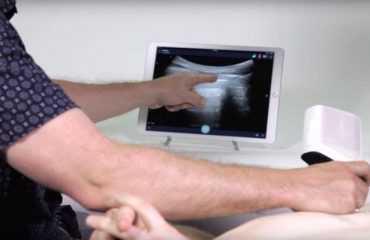
Purchasing the wrong portable ultrasound machine can lead to diagnostic inaccuracy, wasted budget, and disrupted workflows. Many clinics struggle to select the right model that aligns with their patient needs, space constraints, and mobility demands. This guide will help you confidently choose the ideal clinic scanner for your medical practice.
To choose the right portable ultrasound machine for your clinic, focus on key features like image resolution, probe compatibility, certifications, portability, and after-sales support. Balance performance with price to ensure long-term value and clinical efficiency.
But what exactly makes a portable ultrasound system “right” for your clinical setting? Let’s break down the critical considerations every clinic must evaluate before making a purchase.
What Are the Key Features to Consider When Choosing a Portable Ultrasound Machine?
A clinic that skips over technical specifications may end up with a unit that underperforms or lacks essential functions. Poor image clarity or limited probe support could hinder accurate diagnoses, resulting in patient dissatisfaction.
When choosing a portable ultrasound, key features include image quality, probe versatility, scanning speed, screen size, and power supply options. These factors directly impact clinical performance and usability.
Clinics must begin by evaluating what they need from a clinic scanner. Image resolution is a top priority — look for machines that offer high-frequency transducers with real-time 2D/3D imaging. Your choice of probes—linear, convex, or cardiac—should align with your primary clinical applications. For example, musculoskeletal diagnostics require higher frequencies than abdominal scans.
Next, assess the machine’s scanning speed and processing time. Delays can affect throughput and patient flow. Ensure the device offers fast boot-up, minimal lag, and intuitive software navigation.
Screen size and clarity are also essential for accurate readings. Larger LCDs with adjustable brightness and high-resolution displays improve diagnostic confidence, especially in low-light settings.
Power supply flexibility matters. Models with rechargeable lithium batteries are ideal for remote or emergency settings. Also, confirm if the machine offers multiple connectivity ports like USB, HDMI, or DICOM for seamless image transfer and PACS integration.
How to Evaluate the Portability and Durability for a Clinical Setting?
Many machines claim to be portable but fall short when faced with real-world usage in busy clinical environments. Devices that are too heavy, fragile, or complicated to transport end up collecting dust.
True portable ultrasound machines should be lightweight, compact, impact-resistant, and capable of long battery operation. Evaluate materials, weight, and protective casing.

Portability is more than just size—it’s about usability in dynamic medical environments. A practical clinic scanner should weigh under 10kg and be compact enough for easy storage and transport between examination rooms or field visits.
Durability is equally important. Look for systems housed in shock-resistant casing, built from medical-grade polymers or magnesium alloys that can endure repeated handling. Water and dust resistance (e.g., IPX1 rating or higher) is a plus, especially in outpatient or mobile clinics.
Check the handle design and whether a carry case or trolley is included. For field use, ensure battery life supports at least 3–4 hours of continuous scanning without degradation.
Which Certifications and Quality Standards Should You Look For?
A lack of verified certification is a red flag that could jeopardize patient safety and clinic compliance. Fake or unverifiable documents are not uncommon in global B2B sourcing.
Ensure your portable ultrasound machine holds CE, FDA, and ISO certifications. These guarantee safety, accuracy, and compliance with international medical standards.
Before you commit to a purchase, verify that the product meets global compliance standards. Reputable clinic scanner models must carry CE (Conformité Européenne) certification for Europe, FDA clearance for the U.S. market, and ISO 13485 for medical device manufacturing processes.
Don’t rely solely on PDFs or supplier claims—always request original, verifiable certificates and use public regulatory databases to confirm. A certified product assures you of tested quality, electrical safety, biocompatibility, and device reliability.
Be especially cautious of resellers who provide outdated or irrelevant certificates. Counterfeit documentation can not only harm patients but also lead to legal issues, especially if you are operating in regulated markets like Canada or the EU.
What’s the Role of After-Sales Support and Software Updates?
Even the best hardware becomes obsolete without reliable software updates and responsive technical support. Clinics can’t afford downtime due to service delays.
Choose vendors that offer strong after-sales support, regular software updates, and remote troubleshooting to keep your portable ultrasound running optimally.
Good after-sales support ensures that your clinic doesn’t suffer from operational halts. Choose a vendor that provides installation assistance, user training, technical troubleshooting, and fast parts replacement.
Software matters just as much. Diagnostic algorithms, image storage, and cloud integrations evolve constantly—regular updates can add new functionality, improve speed, and fix bugs. Without timely updates, your system may become vulnerable or outdated.
Inquire if updates are free, automatic, or manually installed. Some providers also offer remote diagnostics, which drastically cuts down on service time and improves clinical uptime.
A trusted supplier like AMIS, which integrates support, technical guidance, and spare parts management, can offer significant peace of mind for clinics globally.
How Can You Balance Price and Performance in Portable Ultrasound Devices?
Buying solely based on low price may compromise image clarity or clinical effectiveness, while top-tier systems might strain limited budgets.
To find the right balance, compare specs and value-added features across brands. Focus on long-term reliability over short-term cost savings.
The smartest clinics don’t always buy the cheapest portable ultrasound—they invest in the best value. Consider total cost of ownership: initial purchase price, expected lifespan, cost of probes, software licenses, and maintenance fees.
Mid-tier systems often offer an excellent balance—sufficient features, good image quality, and scalable options. Be sure to compare warranty periods, upgrade paths, and included accessories (e.g., gel, printer, extra probes).
Look for manufacturers that offer volume pricing, bundling options, or OEM services to customize the product to your clinic’s branding. A well-chosen clinic scanner should serve you reliably for 5–7 years with minimal intervention.
AMIS provides solutions that combine affordability, quality certifications, and OEM flexibility—ideal for buyers like Mark Chen who value both competitive pricing and certified quality.

Choosing the right portable ultrasound machine involves careful consideration of features, durability, certification, support, and long-term value. With the right approach, your clinic can enhance diagnostic accuracy and operational efficiency.
How to Choose the Right Portable Ultrasound Machine for Your Clinic?