Which Features Make an ICU Hospital Bed Equal to Hillrom Stryker Models?
Discover which features make an ICU Hospital Bed Equal to Hillrom Stryker models. Learn about patient safety, mobility, monitoring integration, ergonomics, certifications, and procurement considerations for hospitals and distributors.
Hospitals need reliable ICU beds, yet premium brands often come with premium costs. When critical care teams require the same functionality and safety standards, finding an ICU Hospital Bed Equal to Hillrom Stryker becomes a major challenge for procurement professionals.
Un ICU Hospital Bed Equal to Hillrom and Stryker should provide advanced patient positioning, safety systems, mobility support, monitoring compatibility, durability, and regulatory compliance. The best alternatives deliver comparable clinical performance while offering better value and flexible sourcing options.
Understanding which features truly matter helps hospitals, distributors, and healthcare buyers evaluate ICU beds beyond brand names. The following questions examine the key characteristics that determine whether a bed can perform at the same level as leading critical care models.
What Core Functions Must an ICU Hospital Bed Equal to Hillrom Stryker Provide?
Healthcare facilities cannot compromise on critical care functionality. Choosing the wrong bed may reduce caregiver efficiency, increase patient risks, and create operational challenges in intensive care environments.
The core functions include electric positioning, patient safety systems, integrated scales, mobility assistance, emergency controls, and compatibility with ICU monitoring equipment.
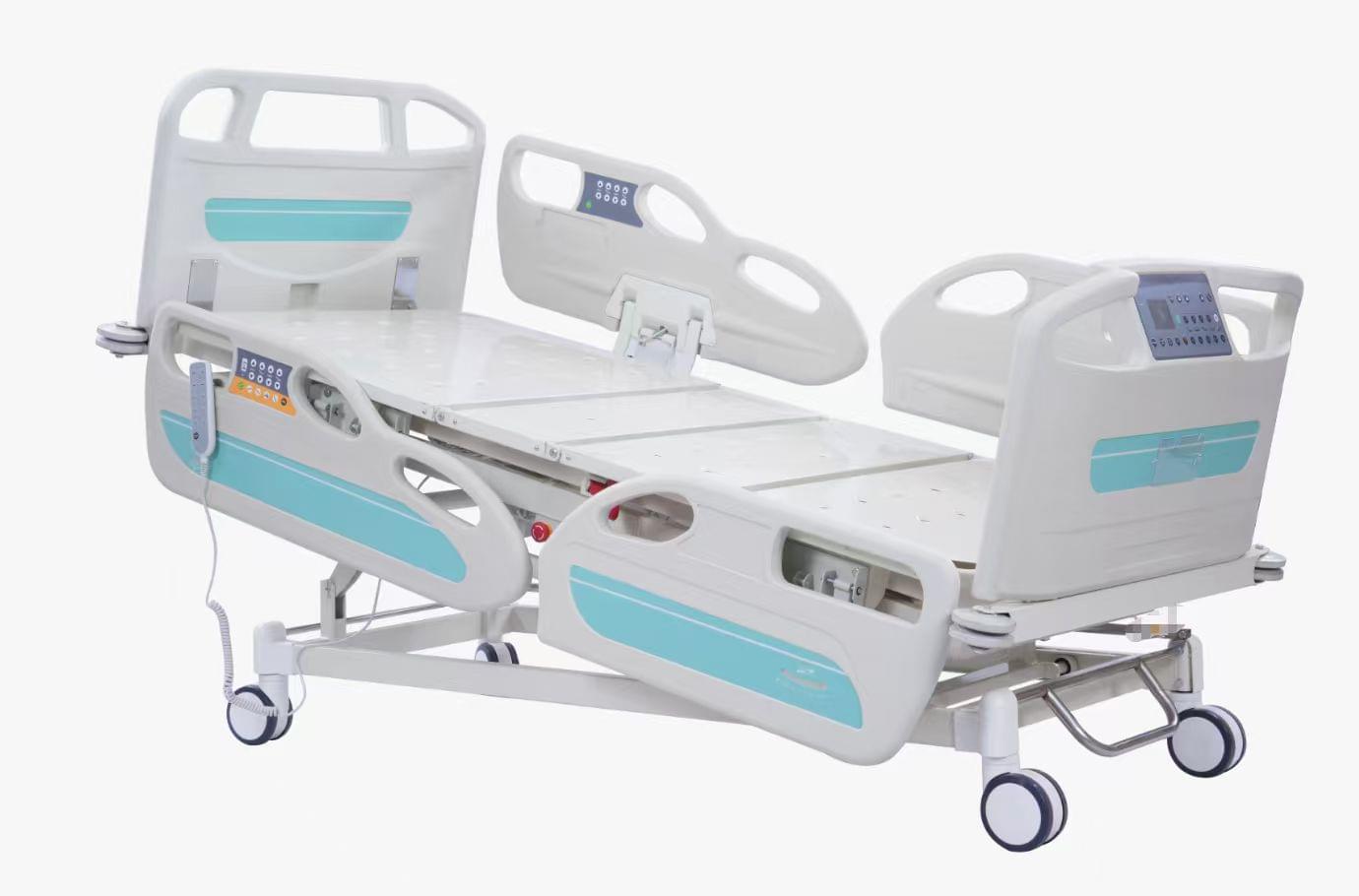
Un ICU Hospital Bed Equal to Hillrom and Stryker must first meet the clinical requirements of modern intensive care units. Advanced electric controls allow caregivers to adjust bed height, backrest angle, knee positioning, and Trendelenburg or Reverse Trendelenburg positions. These functions support respiratory management, circulation improvement, and patient comfort.
Integrated weighing systems help staff monitor patient conditions without unnecessary movement. Emergency CPR release mechanisms allow rapid intervention during life-threatening situations. Bed exit alarms and patient monitoring integration improve safety by alerting caregivers when patients attempt to leave the bed unassisted.
Another essential feature is intuitive control panels accessible to both caregivers and patients. User-friendly controls reduce training requirements and improve workflow efficiency in busy ICU environments.
When evaluating alternatives, buyers should focus on functional performance rather than brand recognition alone.
How Important Are Patient Safety Features in ICU Beds?
Patient falls, pressure injuries, and accidental movements remain serious concerns in critical care settings. A bed lacking advanced safety systems may increase clinical risks and healthcare costs.
High-quality ICU beds should include bed exit alarms, side rails, brake systems, lockout controls, and pressure injury prevention features.
Safety is among the most important criteria when comparing ICU beds. Premium models from major manufacturers are recognized for their comprehensive safety systems, and any comparable solution must deliver similar protection.
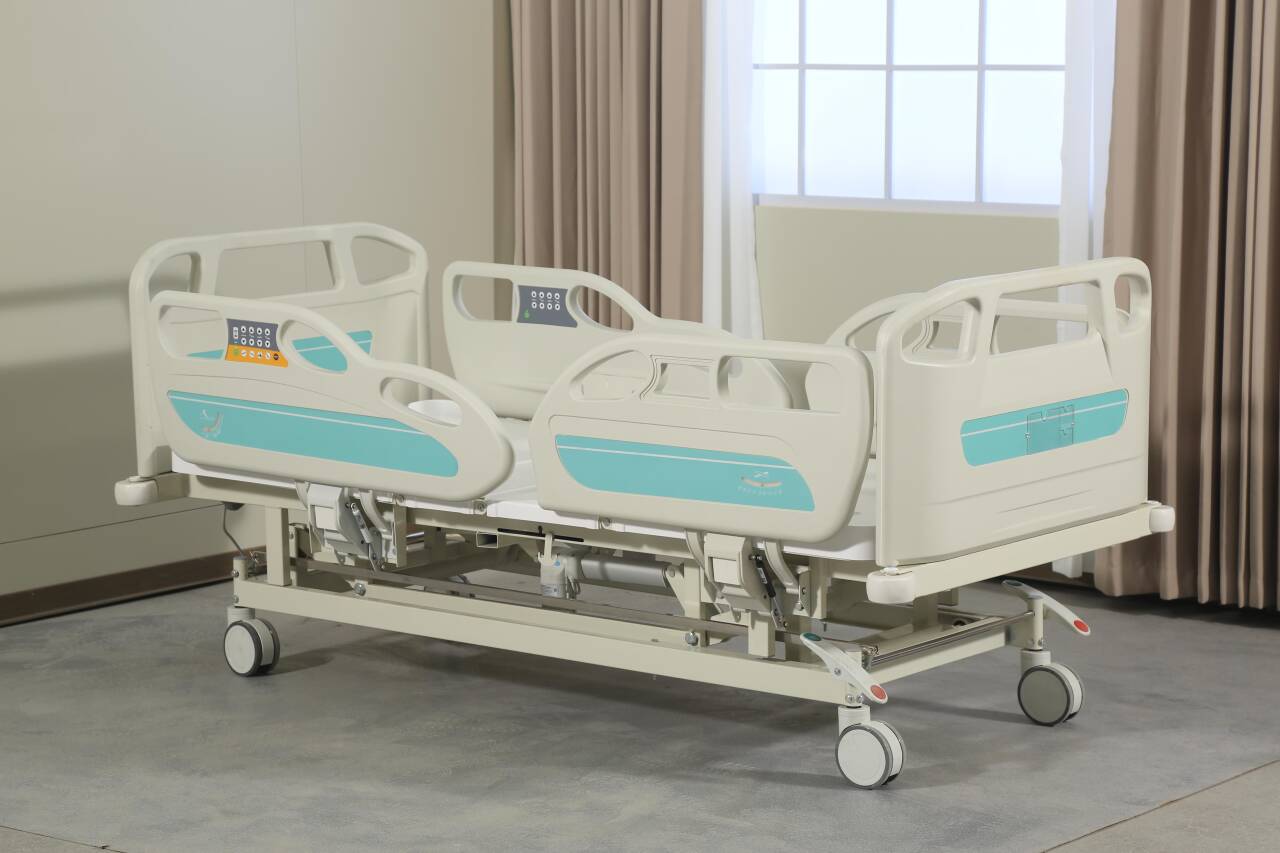
Un ICU Hospital Bed Equal to Hillrom and Stryker typically includes full-length split side rails designed to prevent falls while maintaining caregiver access. Central locking systems ensure bed stability during patient transfers and treatment procedures.
Advanced brake indicators help staff verify that the bed is securely locked. Bed exit detection systems alert caregivers when high-risk patients attempt to leave the bed without assistance.
Pressure injury prevention is another critical safety consideration. Many modern ICU beds support specialized pressure redistribution mattresses that help reduce the risk of pressure ulcers during extended hospitalization.
Infection control also contributes to patient safety. Smooth surfaces, sealed components, and easy-to-clean designs help hospitals maintain strict hygiene standards.
Which Mobility Features Support Better Critical Care Outcomes?
Transporting critically ill patients can be difficult and dangerous if beds are difficult to maneuver. Poor mobility may increase caregiver workload and compromise patient safety.
Essential mobility features include central steering, large casters, fifth-wheel technology, and ergonomic transport systems.
ICU beds frequently move between departments, diagnostic imaging areas, operating rooms, and recovery units. Therefore, mobility performance directly affects hospital efficiency.
Un ICU Hospital Bed Equal to Hillrom Stryker should incorporate high-quality caster systems that enable smooth movement even when carrying complex life-support equipment.
Central steering mechanisms improve directional control during transport. Fifth-wheel technology enhances maneuverability in narrow hospital corridors and elevators.
Electric drive assistance is becoming increasingly valuable in modern healthcare facilities. This technology reduces caregiver strain and minimizes workplace injuries associated with moving heavy patients.
For healthcare distributors and procurement managers, mobility performance is an important factor when comparing ICU bed suppliers.
What Role Does Ergonomic Design Play in ICU Bed Performance?
Caregivers often work long shifts under stressful conditions. Poorly designed equipment can slow workflows and increase physical strain.
Ergonomic ICU beds improve caregiver efficiency through intuitive controls, easy patient access, and reduced manual handling requirements.
Ergonomics influences both clinical outcomes and staff productivity. Beds with adjustable height ranges help caregivers maintain proper working posture during examinations, treatments, and patient transfers.
A high-performance ICU bed should allow caregivers to reach patients easily without excessive bending or lifting. This contributes to safer working conditions and lower injury rates.
Modern designs also support patient independence. Accessible control panels enable patients to adjust approved bed functions without requiring constant staff assistance.
Many healthcare organizations evaluating an ICU Hospital Bed Equal to Hillrom and Stryker prioritize ergonomic advantages because they directly affect operational efficiency and employee satisfaction.
How Does Monitoring Equipment Integration Affect ICU Bed Selection?
Critical care patients require continuous monitoring. Equipment compatibility is essential for maintaining efficient clinical workflows.
ICU beds should support seamless integration with patient monitoring devices, ventilators, infusion pumps, and electronic healthcare systems.
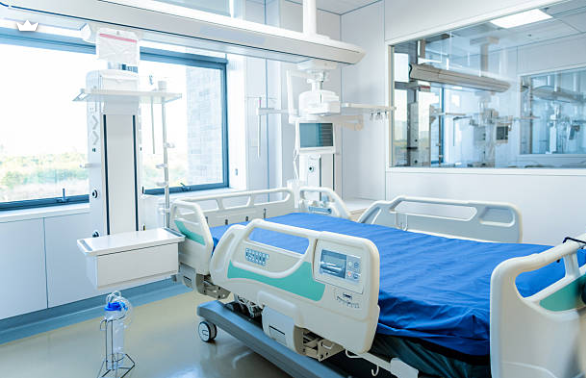
Today’s intensive care units depend on multiple medical technologies working together. ICU beds must accommodate monitors, ventilators, IV poles, infusion systems, and other critical devices.
Un ICU Hospital Bed Equal to Hillrom Stryker should provide standardized mounting options and sufficient accessory compatibility. Integrated communication capabilities can support data exchange between the bed and hospital information systems.
Advanced models may include built-in weight monitoring, patient positioning sensors, and alarm integration that improve patient management.
Compatibility helps healthcare facilities avoid costly modifications and ensures smoother clinical operations.
Which Certifications and Standards Should Buyers Verify?
Some buyers focus only on product specifications and pricing. However, regulatory compliance remains essential when sourcing ICU beds internationally.
Buyers should verify ISO certifications, CE compliance, FDA-related requirements where applicable, and quality management systems.
Certification validation is particularly important for importers, distributors, and hospital procurement teams. Regulatory documentation demonstrates that a manufacturer follows recognized quality and safety standards.
When evaluating an ICU Hospital Bed Equal to Hillrom and Stryker, buyers should request supporting documentation such as:
- ISO 13485 certification
- CE certification
- Quality inspection reports
- Risk management documentation
- Electrical safety testing records
- Product performance verification reports
Reliable suppliers maintain transparent certification records and provide documentation promptly during procurement discussions.
This process helps reduce risks associated with counterfeit certifications and unreliable suppliers.
Can Cost-Effective ICU Beds Deliver Comparable Performance?
Many hospitals face budget limitations. Decision-makers often wonder whether lower-cost alternatives can genuinely match premium brands.
Yes, cost-effective ICU beds can achieve comparable performance when manufacturers focus on quality components, engineering standards, and regulatory compliance.
The healthcare industry has evolved significantly. Manufacturers in China and other medical equipment production hubs now supply advanced ICU beds to hospitals worldwide.
Un ICU Hospital Bed Equal to Hillrom and Stryker does not necessarily require identical branding or pricing. Instead, it should deliver comparable functionality, safety, reliability, and clinical usability.
Hospitals increasingly evaluate total value rather than purchase price alone. Factors such as maintenance costs, spare parts availability, warranty support, and equipment lifespan all contribute to long-term return on investment.
For distributors and healthcare importers, selecting a supplier with stable manufacturing capabilities and technical support can provide substantial competitive advantages.
How Should Hospitals and Distributors Evaluate ICU Bed Suppliers?
Selecting the wrong supplier may result in delayed deliveries, inconsistent quality, and after-sales service issues.
Buyers should evaluate manufacturing capability, certifications, quality control systems, export experience, and technical support services.
A structured supplier assessment process helps reduce procurement risks. Key evaluation criteria include:
- Manufacturing capacity
- Quality management systems
- International certifications
- Export experience
- Product customization capability
- Spare parts support
- Technical documentation
- Delivery reliability
Hospitals and distributors should also review customer references and request product demonstrations whenever possible.
Suppliers with strong quality control procedures and established international business experience are more likely to provide reliable long-term partnerships.
For organizations seeking an ICU Hospital Bed Equal to Hillrom Stryker, supplier reliability is just as important as product specifications.
Conclusión
Un ICU Hospital Bed Equal to Hillrom and Stryker combines advanced positioning, patient safety, mobility, ergonomic design, monitoring integration, and certified quality standards. By focusing on functionality, compliance, and supplier reliability, hospitals and distributors can identify high-performance ICU beds that deliver excellent clinical value and long-term operational benefits.